
Living in a multicultural hub like Toronto, I often notice a specific kind of misunderstanding. To many people here, the classical art and beauty of Korea, China, and Japan are lumped into one single category. People often assume these cultures are identical, but as a digital curator with a background in design and UX, I see something completely different.
I see three distinct visual languages that have been carefully designed over a thousand years. What might look the same at a glance is actually a complex mix of history, philosophy, and branding. Today, let’s look at the hidden blueprints behind these faces and see how they still influence the modern stars we see on our screens today.
The reason beauty standards in these three countries are so different comes down to what each society valued as their “ideal” human and how they showed power.
1. Korea: The Ethics of Emptiness and Poetic Realism
In the Joseon Dynasty (14th–19th Century), beauty was defined by Confucianism, which valued modesty above all else. Showing off wealth or vanity was actually seen as a lack of character. This influenced everyone, even the Royal family, to prefer a clean and humble look over flashy decorations.
Did you know that in the 18th Century, Korean women wore massive wigs called Gache? They were so heavy that there are historical records of women’s necks breaking under the weight. Despite this, the Joseon scholars preferred a “natural” look for the face. It was a strange world where you could wear a 4kg wig but were forbidden from wearing bright, colorful makeup.
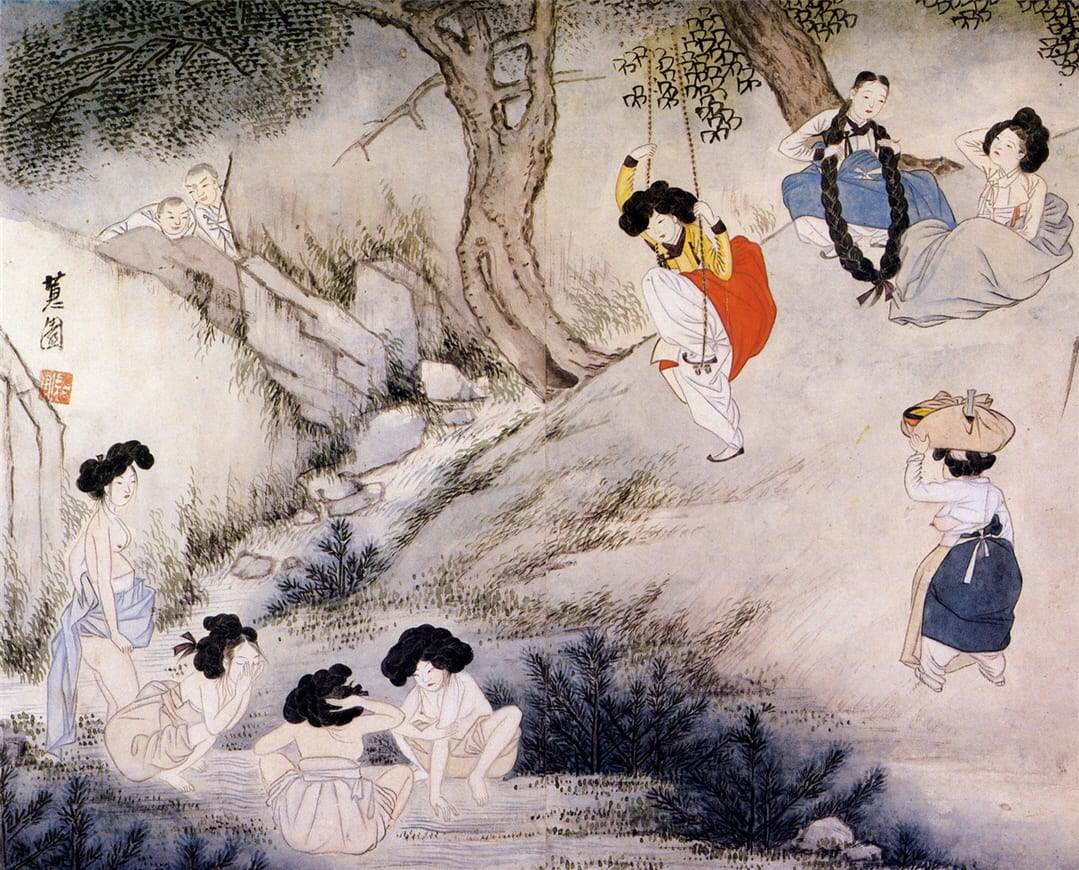
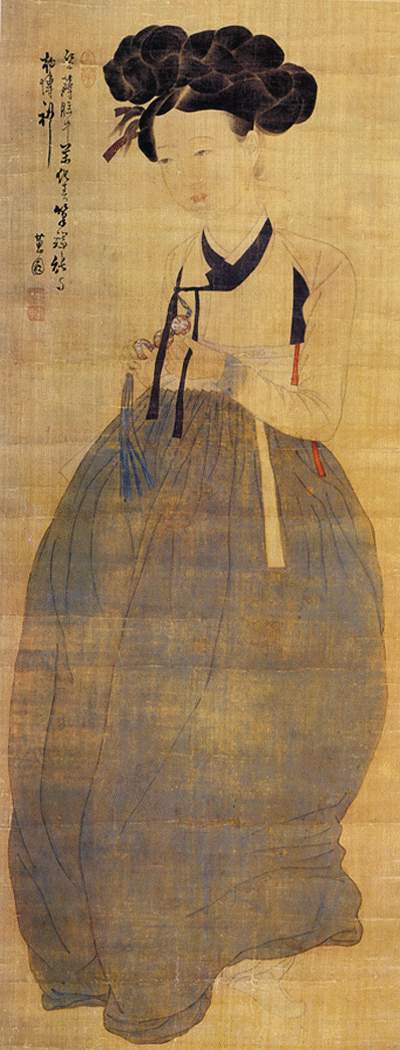
Artists like Shin Yun-bok created what I call “Poetic Realism.” In his famous paintings, the women aren’t trying to grab your attention. They have delicate features and a soft oval face. The beauty comes from the balance of the S-curve, the way the slender upper body meets the voluminous Hanbok skirt. By leaving the background empty, a concept called Yeobaek, the artist forces us to focus on the person’s inner dignity.
2. China: Imperial Grandeur and Beauty as Power
In Chinese history, beauty was a visual tool used to show the strength of the Empire. If a woman was beautiful and grand, it meant the nation was thriving.
During the Tang Dynasty (7th–9th Century), the “ideal” woman was actually quite curvy. The legendary beauty Yang Guifei was famous for being “plump,” and the Emperor loved it because her health reflected the prosperity of the Silk Road.
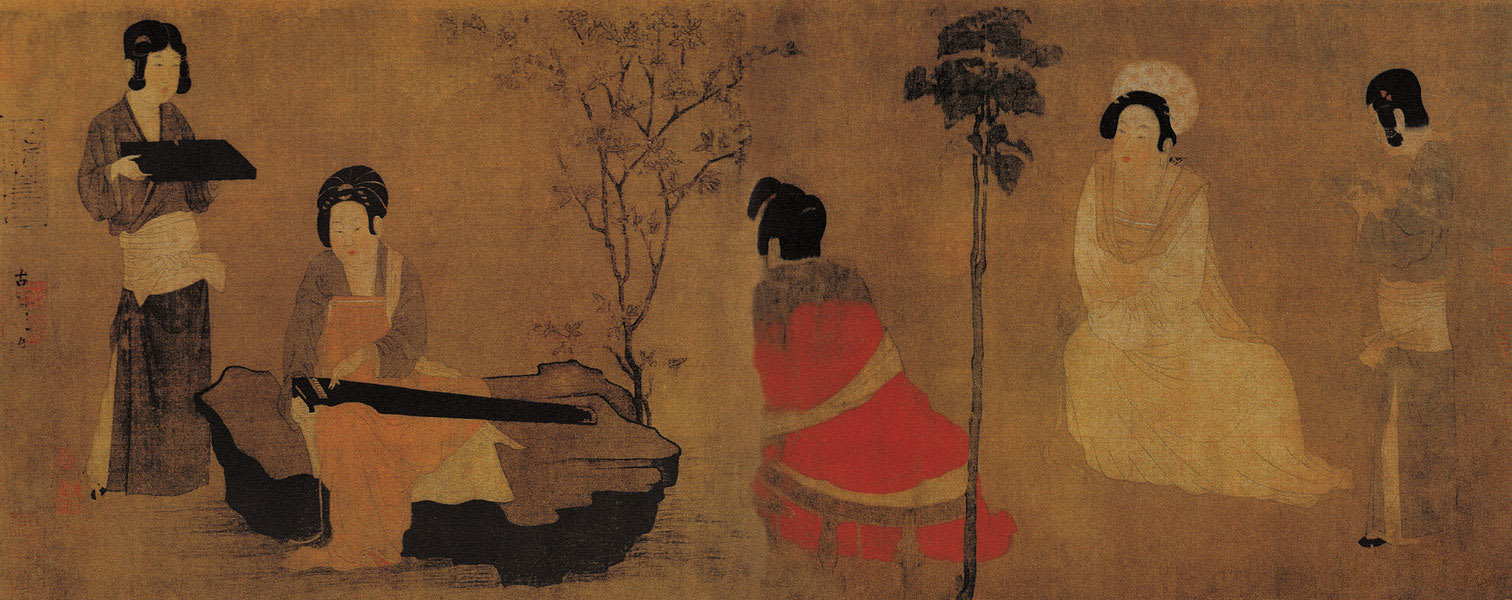
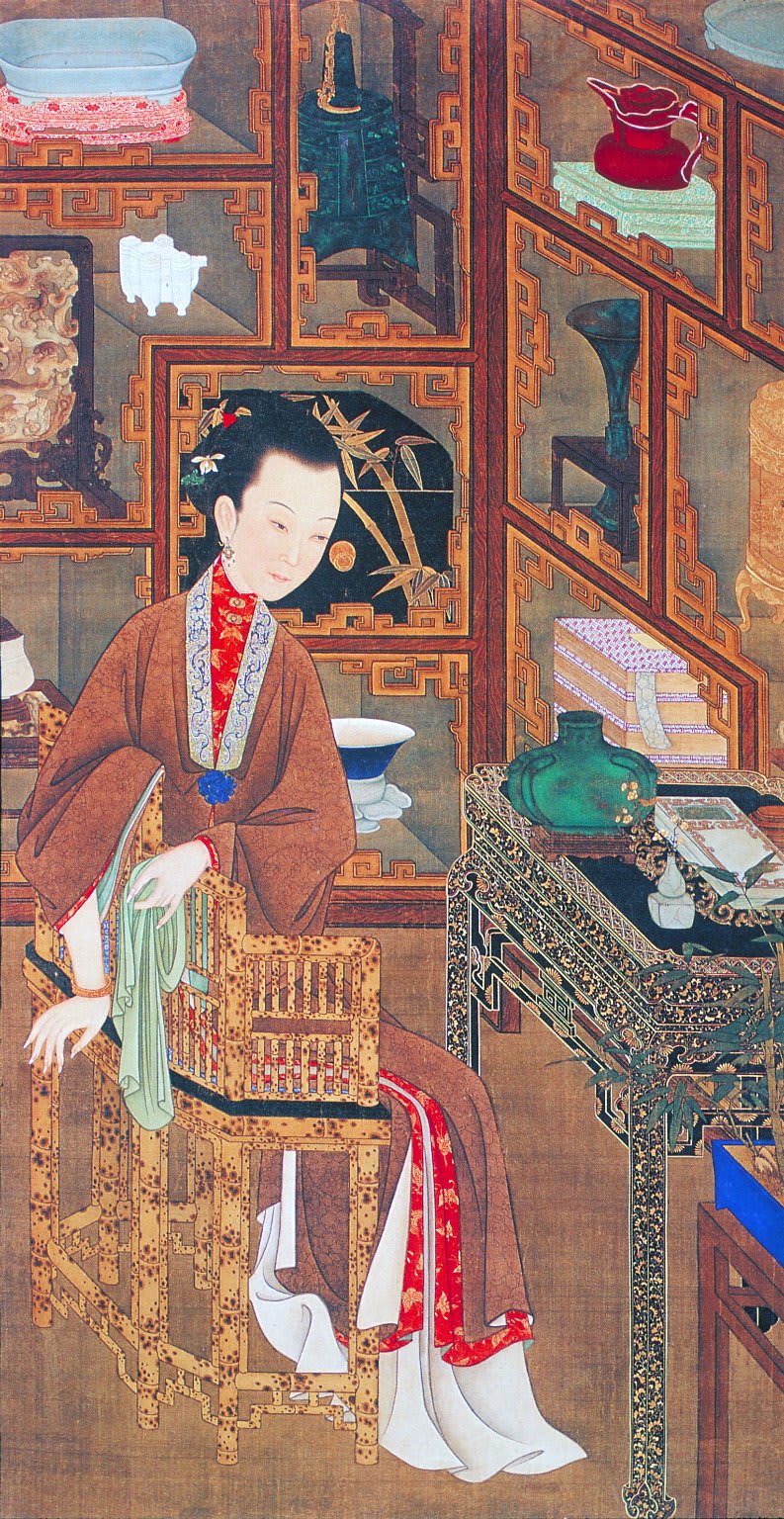
Fast forward to the Qing Dynasty (17th–19th Century), and things changed. Beauty became about being fragile and surrounded by expensive objects. It was a way for the Emperor to say, “I own everything beautiful in the world.
Portraits showed women surrounded by intricate furniture and jewelry. Every inch of the canvas was filled with detail. This “Maximalism” was a way of saying, “I have the power and the resources.” Here, beauty wasn’t just about a face; it was about the entire environment of luxury.
3. Japan: Commercial Branding and the “Graphic Mask”
Japan’s beauty style grew out of the busy streets of Edo (17th–19th Century), not from royal palaces. This was the beginning of early pop culture and commercial branding.
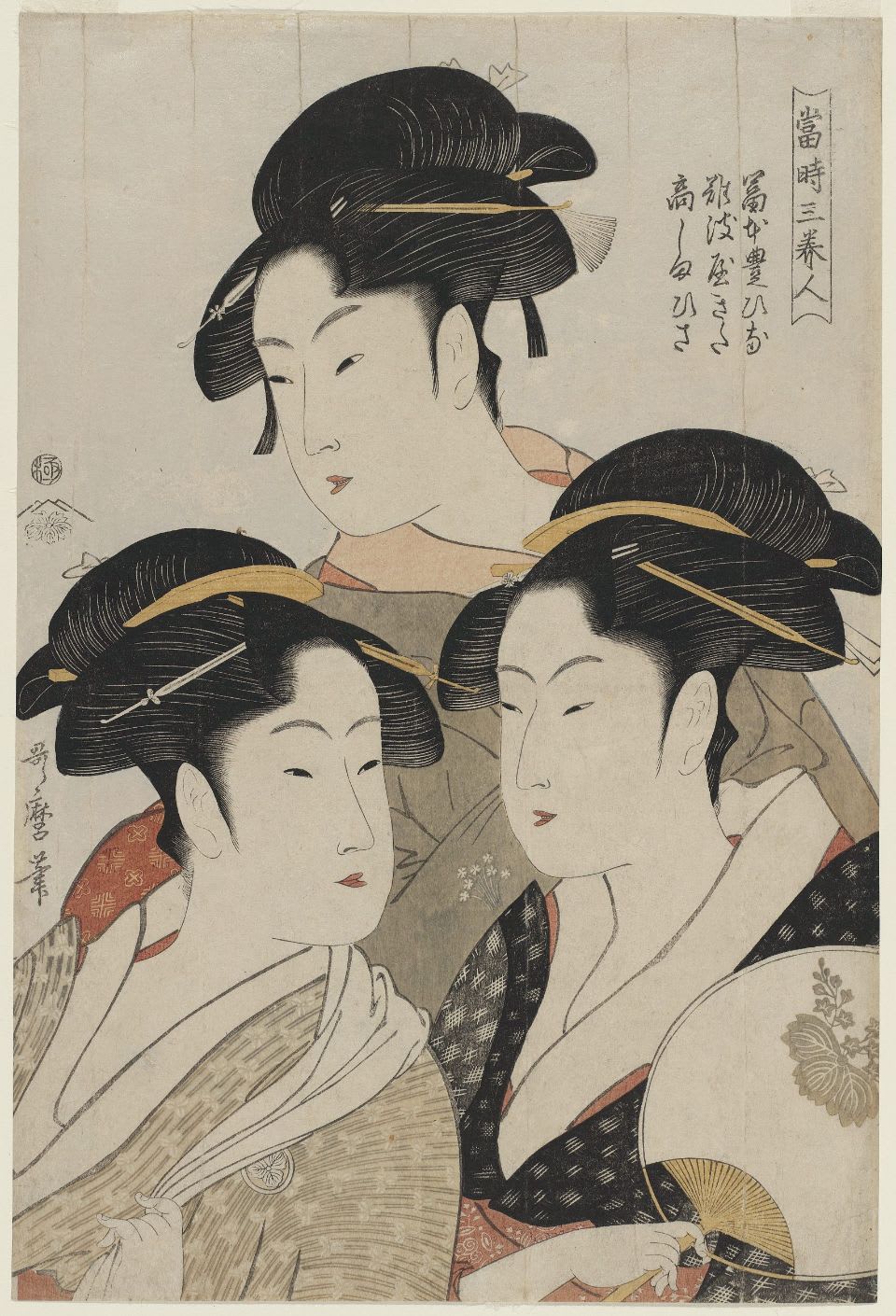
In the 18th Century, Ukiyo-e (woodblock prints) were the “Instagram” of the day. They cost about the same as a bowl of soba noodles. If an artist like Utamaro painted a beautiful woman from a local tea house, she would become an overnight celebrity. People would rush to the shops to buy her “poster” and copy her hairstyle. It was the world’s first true “fandom” culture.
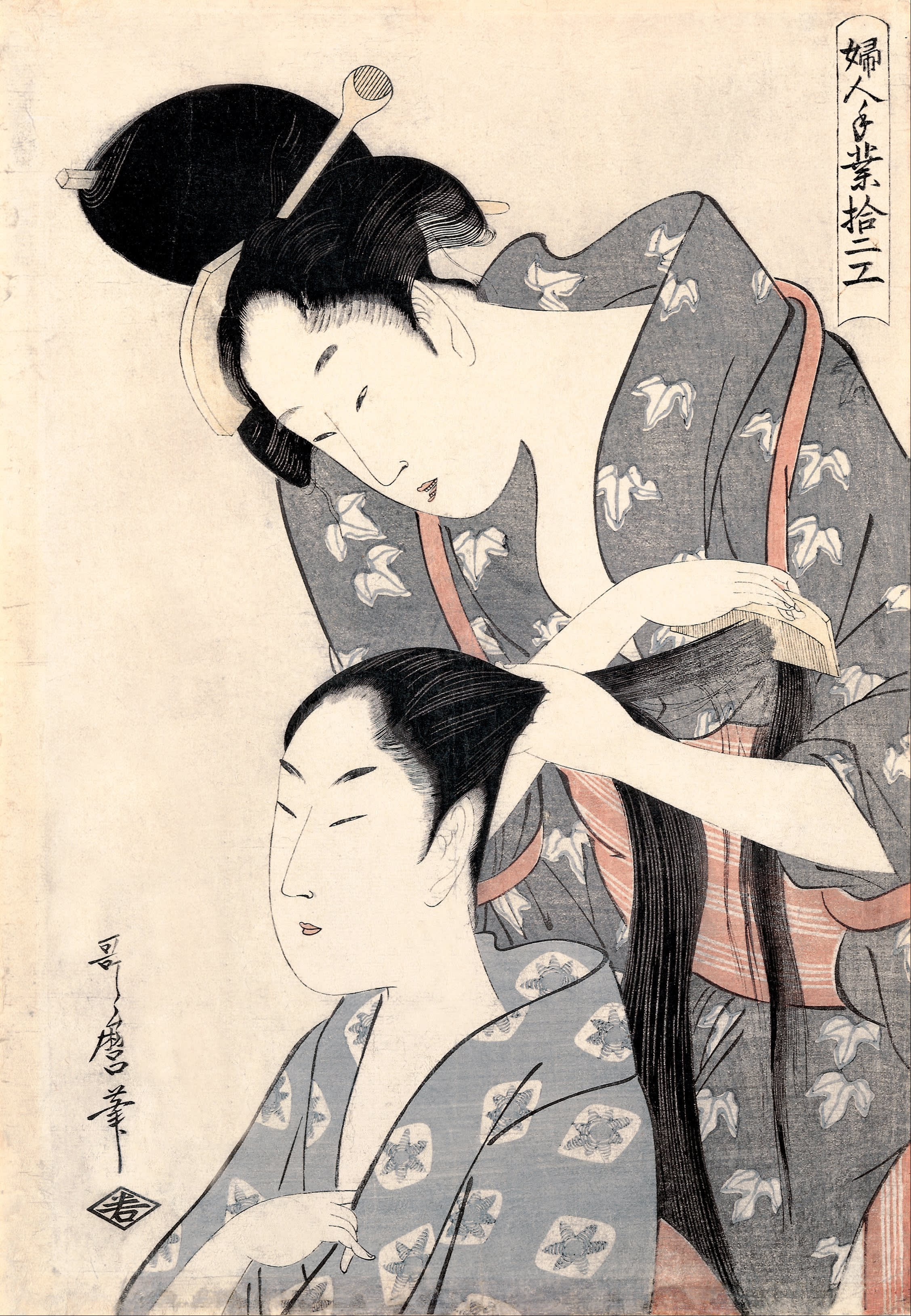
The women in these paintings were often high-ranking entertainers from the famous tea houses and districts. However, to the citizens of Edo, they were much more than that. They were the top models and pop stars of their day. The specific kimono patterns they wore and the way they did their makeup immediately became the latest trends. Merchants even used their images to advertise products. Japanese beauty paintings were a symbol of early pop culture, born from the mix of business and public excitement.
Artists didn’t worry about being realistic. They designed a “Graphic Mask”-bold lines, sharp eyes, and tiny mouths. They wanted to create an “iconic character” that people could recognize instantly from across a crowded shop. This style focused on a unique “aura” rather than perfect symmetry, which is why Japanese design feels so distinctive and bold even today.
4. The Modern Legacy: 1,000 Years of DNA in Today’s Icons
Even though the world is becoming more globalized, these traditional roots are still very much alive in the famous faces we love today.
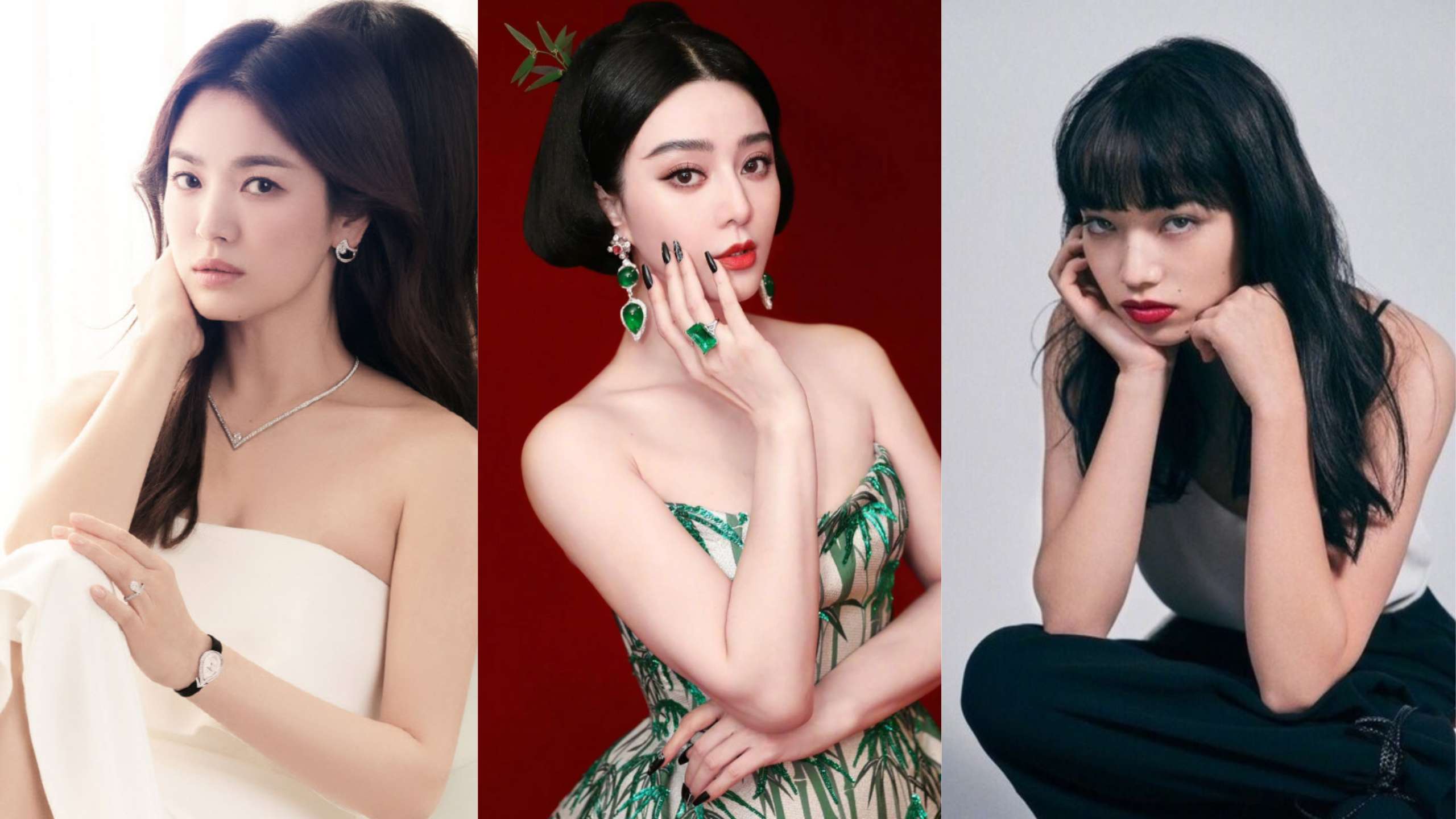
-
Korea: Soft Lines and Natural Images In Korea, people prefer soft facial lines and a clean, natural image rather than very bold or sharp features. Star like Song Hye-kyo perfectly show this “refined naturalism,” which was the core of Joseon Dynasty beauty. Today’s trends, like “Clean Girl” or “Glass Skin,” are the modern version of the porcelain-like skin and simple elegance found in the masterpieces of Shin Yun-bok.
-
China: Imperial Grandeur and Vivid Features China prefers a style of luxury, often inspired by imperial gold and ornaments, paired with bold and vivid facial features. Modern icons like Fan Bingbing carry on the grandeur seen in Qing Dynasty court paintings. Their makeup uses high contrast to create a perfect, “mural-like” look, continuing the tradition where beauty is a powerful statement of status and authority.
-
Japan: Designed Aura and the Power of Character Japanese beauty focuses more on a specific “mood” or a “unique aura” rather than perfect symmetry. This comes from the design tradition of Ukiyo-e, where artists created “iconic images” to leave a strong impression. Celebrities like Nana Komatsu have a graphic look that emphasizes the eyes and a unique style. This reflects the Edo period’s desire to create a visual identity that no one could forget. Instead of looking for a perfect face, Japanese beauty is about creating an unforgettable character.
5. Curator’s Note: Seeing Beyond the Surface
As a digital curator, I don’t see these as just “pretty faces.” I see them as cultural formulas. Korea asks how much we can leave out to show inner grace. China asks how much we can add to show power. Japan asks how we can create a character that sticks in your mind.
The next time you see these stars or look at an old painting, I hope you see the “Visual Geometry” behind them. History isn’t just in books; it’s written in the way we define beauty today.
References
Cahill, J. (1997). Pictures for Use and Pleasure: Vernacular Painting in High Qing China. University of California Press.
Marks, A. (2012). Japanese Woodblock Prints: Artists, Publishers and Masterpieces. Tuttle Publishing.
Chung, B. H. (2005). Traditional Korean Art: Painting and Architecture. Hollym International.